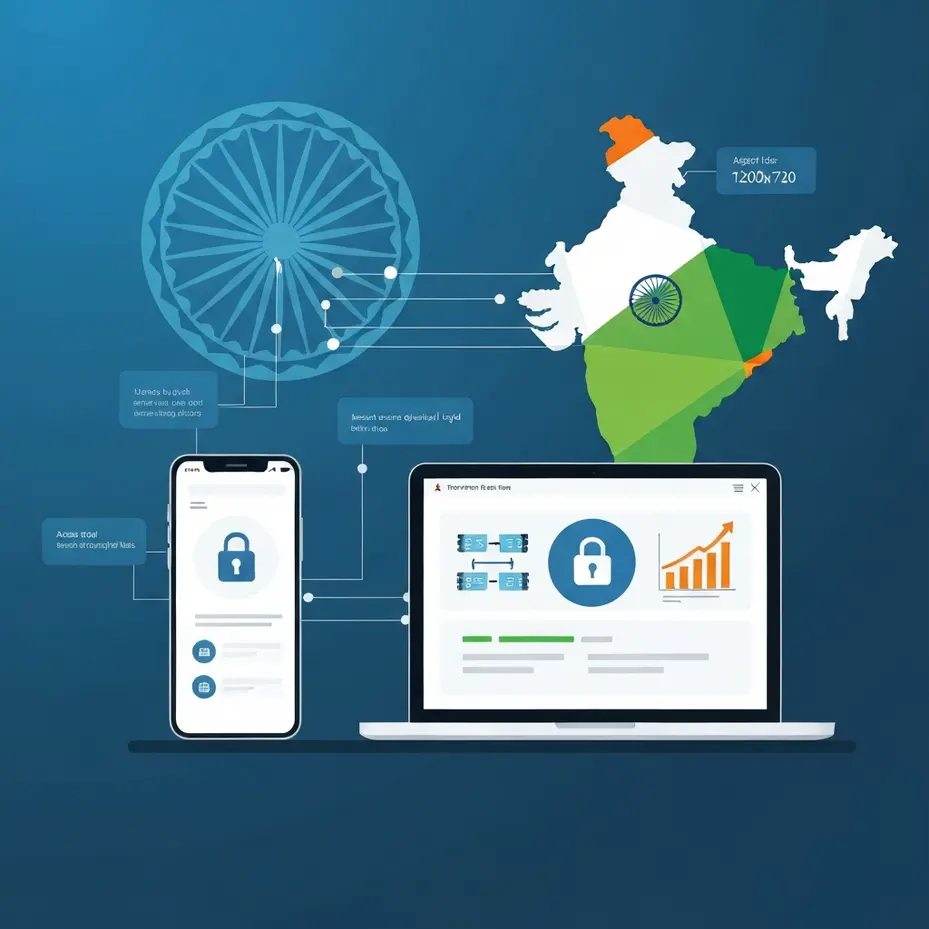
RBI’s New Digital Banking Rules: Key Changes Starting January
The Reserve Bank of India (RBI) is bringing significant changes to digital banking. Starting January 1st, new rules will affect online transactions and how digital banking works. These changes will impact both customers and banks.
RBI’s New Digital Banking Rules: Simplifying Regulations
Recently, the RBI released 7 new Master Directions related to authorizing digital banking channels. The goal is to make regulations simpler for banks and financial institutions, provide customers with more transparency, and make digital transactions more secure.

Digital Banking New Rules: Key Changes Explained
- Uniform Framework: A standard set of rules has been created for approving and managing digital channels.
- Customer Consent and Transparency: Banks must clearly show customer consent options, product details, and legal obligations on their digital platforms.
- Broader Scope: Small finance banks and commercial banks will both follow these rules.
- Easier Compliance: The RBI has combined 244 Master Directions into one place to help banks follow the rules more easily.
Digital Banking New Rules: Benefits for Customers
Customers will benefit the most from these changes. They will experience better security and transparency when making digital transactions. Banks will also find it easier to comply with the regulations. The RBI believes this will promote Ease of Doing Business and strengthen digital banking.
Digital Banking New Rules: Impact on Daily Life
These changes are important for everyone because so many people use mobile apps and internet banking daily. Clear and secure rules mean customers can make digital payments with confidence.

Digital Banking New Rules: Strengthening Digital India
Banking experts believe these guidelines will further support the Digital India initiative. These rules will help build trust, especially in rural areas where more people are starting to use digital transactions.
Source: Digital Banking Rules will Change from January 1, RBI issued New Guidelines.