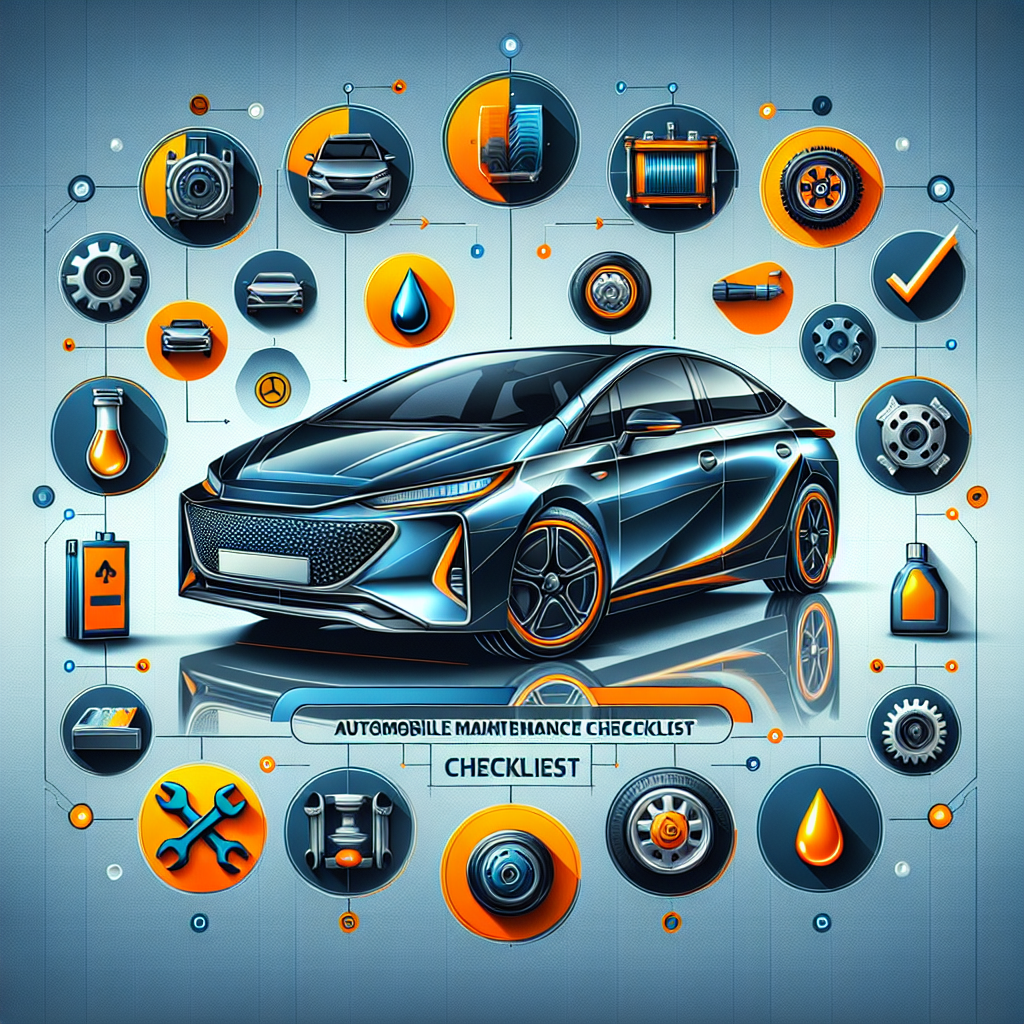
Complete Automobile Maintenance Checklist 2026: Expert Guide for USA, UK, Canada & Australia
Maintaining your vehicle properly in 2026 has become more critical than ever, whether you’re driving through the streets of New York, London, Toronto, or Sydney. With the automotive industry rapidly evolving to embrace electric vehicles, advanced driver assistance systems, and AI-powered predictive maintenance, understanding what your car needs has never been more important.
This comprehensive automobile maintenance checklist for 2026 covers everything from traditional combustion engines to cutting-edge electric vehicles, ensuring your investment stays roadworthy and retains its value across the USA, UK, Canada, and Australia.

Why Regular Vehicle Maintenance Matters in 2026
The automotive landscape has transformed dramatically. Modern vehicles are sophisticated machines combining traditional mechanical components with advanced electronics, making regular maintenance more crucial than ever. According to recent industry data, preventive maintenance is now the top strategy used by maintenance professionals, with 71% of teams relying on scheduled servicing to keep vehicles running smoothly.
Proper maintenance delivers several key benefits:

- Enhanced Safety: Regular inspections catch potential problems before they become dangerous
- Cost Savings: Preventive care is significantly cheaper than emergency repairs
- Better Fuel Efficiency: Well-maintained vehicles consume less fuel or electricity
- Higher Resale Value: Documented service records can boost your vehicle’s value by thousands
- Environmental Benefits: Properly maintained vehicles produce fewer emissions
Monthly Maintenance Checklist
Engine Oil and Fluids
Check your engine oil level monthly using the dipstick. Look for the difference between "low" and "full" markings and replenish if below the minimum level. Modern vehicles with advanced sensors may not have traditional dipsticks, so consult your owner’s manual for guidance.
Key fluids to monitor monthly:

- Engine oil (check level and condition)
- Coolant/antifreeze (verify reservoir level)
- Windshield washer fluid (top off as needed)
- Brake fluid (check reservoir level)
- Power steering fluid (inspect for proper level)
Tire Inspection
Tires are your vehicle’s only contact with the road, making them critical for safety and performance. Check tire pressure monthly using an accurate gauge, ensuring all tires match the recommended PSI listed on the driver’s side door jamb.
Inspect tread depth using the penny test or a tread depth gauge. Minimum safe tread depth is 4/32 of an inch, though many experts recommend replacement at 6/32 inch for optimal performance.

Lights and Wipers
Walk around your vehicle monthly to verify all lights function properly, including headlights, taillights, brake lights, turn signals, and reverse lights. Replace any burned-out bulbs immediately for safety and legal compliance.
Inspect windshield wiper blades for cracks, splits, or reduced effectiveness. Wipers typically last six months but may need earlier replacement in harsh climates.
Quarterly Maintenance (Every 3 Months or 3,000 Miles)
Automatic Transmission Fluid
Check transmission fluid level and condition every three months. Low transmission fluid can cause shifting problems and potential transmission damage. If topping off becomes frequent, have your system inspected for leaks.
Battery Inspection
Examine battery terminals for corrosion, which appears as white or blue-green deposits. Clean terminals with a wire brush and battery terminal cleaner. Check that battery connections are tight and secure.
Modern vehicles with advanced electronics are particularly sensitive to battery issues, making regular inspection essential.
Air Filter Inspection
Inspect your engine air filter quarterly. Modern air filter housings often contain electronic sensors, so exercise caution when accessing the filter. A clogged air filter reduces engine performance and fuel efficiency.
Replace the cabin air filter annually or every 20,000 miles to ensure clean air inside your vehicle and optimal HVAC performance.
Semi-Annual Maintenance (Every 6 Months or 5,000-7,500 Miles)
Oil Changes
Follow your manufacturer’s recommended oil change interval, which varies by vehicle and oil type. Many modern vehicles using synthetic oil can safely go 7,500 to 10,000 miles between changes, while others still require 3,000-5,000 mile intervals.
Always consult your owner’s manual rather than following generic advice, as requirements vary significantly by make and model.
Tire Rotation
Rotate tires every 5,000 to 7,500 miles to ensure even wear and extend tire life. Proper rotation patterns depend on whether your vehicle has directional tires, all-wheel drive, or front-wheel drive.
Uneven tire wear can indicate alignment issues, suspension problems, or incorrect inflation pressure.
Brake Inspection
Have your brakes professionally inspected twice yearly. Mechanics should check brake pad thickness, rotor condition, and brake fluid quality. Address any squealing, grinding, or reduced braking performance immediately.
Annual Maintenance Checklist
Comprehensive Vehicle Inspection
Schedule a complete annual inspection covering:
- Suspension components and steering system
- Exhaust system integrity
- Belt and hose condition
- Cooling system pressure test
- Differential fluid (if applicable)
- Transfer case fluid (4WD/AWD vehicles)
Seasonal Preparations
Prepare your vehicle for seasonal changes, especially in regions with extreme weather:
Winter Preparation (USA, UK, Canada):
- Switch to winter tires in snow-prone areas
- Check antifreeze protection to -40°F/-40°C
- Inspect battery capacity (cold weather reduces performance)
- Ensure heating system functions properly
Summer Preparation (All Regions, especially Australia):
- Verify air conditioning performance
- Check coolant system capacity
- Inspect tires for proper inflation (heat increases pressure)
- Replace worn wiper blades before rainy season
Electric Vehicle Maintenance Schedule 2026
Electric vehicles require significantly different maintenance compared to traditional combustion engines, with service intervals typically extending to 10,000-15,000 miles or annually.
What EVs Don’t Need
Electric vehicle owners can eliminate these traditional maintenance tasks:
- Engine oil changes
- Spark plug replacement
- Timing belt replacement
- Cooling system flushes (for traditional engines)
- Catalytic converter service
- Exhaust system repairs
- Fuel system cleaning
Essential EV Maintenance
Battery System Care (Primary):
- Avoid extreme temperatures when possible
- Don’t regularly charge to 100% (90% is optimal for NCM batteries)
- Avoid complete discharge
- Follow manufacturer’s charging recommendations
- Battery systems typically warrant 8 years/100,000 miles
Regenerative Braking System:
- Inspect brake pads every 10,000 miles
- Expect brake pad life of 20,000+ miles due to regenerative braking
- Check brake fluid quality annually
- Monitor for any unusual braking behavior
Cooling System for Electronics:
- Coolant flush every 150,000 miles (significantly less frequent than traditional vehicles)
- Some manufacturers like Tesla don’t include coolant replacement in maintenance schedules
- System cools battery pack, inverter, and charger
Tire Maintenance:
- Rotate every 5,000-10,000 miles
- EVs wear tires faster due to instant torque and heavier weight
- Use EV-specific tires when possible for optimal efficiency
Over-the-Air Software Updates:
- Enable automatic updates for performance improvements
- Monitor for manufacturer notifications
- Updates can enhance battery management and add features
Regional Considerations
USA Maintenance Requirements
American drivers should note state-specific inspection requirements vary significantly. States like California, New York, and Texas have mandatory emissions and safety inspections, while others have minimal requirements.
The U.S. Department of Energy recommends following manufacturer guidelines precisely and keeping detailed service records for warranty protection.
UK Vehicle Maintenance Standards
UK drivers must comply with MOT (Ministry of Transport) testing requirements for vehicles over three years old. Annual MOT tests verify roadworthiness including brakes, lights, emissions, and safety features.
The UK’s increasingly strict emissions standards make regular maintenance even more critical, particularly for diesel vehicles in Ultra Low Emission Zones (ULEZ).
Canadian Climate Considerations
Canadian vehicles face unique challenges from extreme cold, road salt, and temperature variations. Prioritize:
- Robust battery testing before winter
- Frequent underbody washing to remove salt
- Block heater use in extremely cold regions
- All-season or winter tire requirements (mandatory in Quebec)
Australian Conditions
Australian drivers should focus on:
- Heat management in northern regions
- Dust protection for air filters in outback areas
- Regular air conditioning maintenance
- UV protection for paint and interior materials
- Bushfire preparation kits in rural areas
2026 Maintenance Technology Trends
AI-Powered Predictive Maintenance
More than 65% of maintenance teams plan to adopt AI by end of 2026. Modern vehicles increasingly use AI to predict maintenance needs before problems occur, alerting drivers through dashboard notifications or smartphone apps.
Connected Car Diagnostics
Telematics systems now provide real-time vehicle health monitoring, automatically scheduling service appointments and ordering parts before failures occur. This technology reduces unexpected breakdowns by up to 25%.
Digital Service Records
Cloud-based maintenance tracking ensures service history follows your vehicle, improving resale value and warranty claim processing. Many manufacturers now provide free digital service record apps.
Cost Considerations Across Regions
Maintenance costs vary significantly by region and vehicle type:
Traditional Vehicles:
- USA: Average annual maintenance $500-$1,200
- UK: £400-£900 annually
- Canada: CAD $600-$1,400
- Australia: AUD $700-$1,500
Electric Vehicles:
Expect roughly one-third lower maintenance costs due to fewer moving parts and no oil changes. However, tire replacement may be more frequent.
Common Warning Signs
Address these symptoms immediately:
Brake Issues:
- Spongy or soft brake pedal
- Squeaking, squealing, or grinding noises
- Pulling to one side when braking
- Extended stopping distances
Engine/Performance Problems:
- Difficulty starting or frequent stalling
- Rough idling or unusual vibrations
- Decreased fuel efficiency
- Check engine light illumination
- Loss of power or acceleration
Transmission Concerns:
- Rough or delayed shifting
- Slipping between gears
- Unusual noises during gear changes
- Transmission fluid leaks
Professional vs. DIY Maintenance
While many tasks can be performed at home, certain services require professional expertise:
DIY-Friendly Tasks:
- Checking fluid levels
- Inspecting lights and wipers
- Monitoring tire pressure
- Replacing wiper blades
- Changing air filters (with care)
Professional-Required Services:
- Brake system work
- Transmission servicing
- Electrical system diagnosis
- Engine performance issues
- Safety system calibration
- Hybrid/EV high-voltage components
Documentation Best Practices
Maintain comprehensive service records including:
- Date and mileage of all services
- Specific work performed
- Parts replaced with part numbers
- Service provider information
- Cost of service
- Any warranty information
Digital apps and manufacturer portals make record-keeping easier than ever. Thorough documentation proves invaluable for warranty claims, lemon law cases, and resale negotiations.
Environmental Responsibility
Proper vehicle maintenance reduces environmental impact:
- Well-maintained vehicles produce fewer emissions
- Efficient vehicles consume less fuel/electricity
- Proper disposal of fluids prevents environmental contamination
- Longer vehicle life reduces manufacturing demand
Manufacturer-Specific Recommendations
Always prioritize your manufacturer’s maintenance schedule over generic advice. Manufacturers engineer specific maintenance intervals based on extensive testing of their vehicles’ unique characteristics.
Owner’s manuals provide detailed schedules for:
- Normal driving conditions
- Severe service conditions (towing, extreme climate, frequent short trips)
- High-mileage recommendations
- Warranty compliance requirements
Conclusion
Maintaining your vehicle according to this 2026 automobile maintenance checklist ensures safety, reliability, and value retention whether you’re driving in the USA, UK, Canada, or Australia. The automotive industry’s rapid evolution toward electrification and smart technology makes following proper maintenance schedules more important than ever.
Regular maintenance isn’t just about keeping your car running—it’s about protecting your investment, ensuring your family’s safety, and contributing to a more sustainable future. By following these guidelines and staying current with manufacturer recommendations, you’ll enjoy years of trouble-free driving.
For the latest updates on automotive maintenance, vehicle reviews, and industry news, bookmark our site and check back regularly for expert insights tailored to drivers worldwide.
Frequently Asked Questions (FAQs)
1. How often should I service my car in 2026?
For traditional vehicles, follow your manufacturer’s recommended schedule, typically every 5,000-7,500 miles or 6 months. Electric vehicles generally require service every 10,000-15,000 miles or annually. Always consult your owner’s manual for specific recommendations.
2. What’s the most important maintenance task I shouldn’t skip?
Regular oil changes (for combustion engines) and brake inspections are the most critical safety-related maintenance tasks. For EVs, battery system monitoring and brake fluid checks are paramount.
3. Are electric vehicles really cheaper to maintain?
Yes, EVs typically cost about one-third less to maintain than gasoline vehicles due to fewer moving parts, no oil changes, and longer-lasting brake systems. However, tire replacement may be more frequent.
4. How long do EV batteries last?
Most EV batteries are warrantied for 8 years/100,000 miles and typically last 12-20 years depending on climate and usage. Many EV owners trade vehicles before battery replacement becomes necessary.
5. Can I use synthetic oil in any car?
Most modern vehicles can use synthetic oil, which offers superior protection and longer intervals between changes. Always verify compatibility in your owner’s manual and follow manufacturer recommendations.
6. How do I know when my brakes need replacing?
Common signs include squealing or grinding noises, vibration when braking, longer stopping distances, or a soft brake pedal. Have brakes inspected if you notice any of these symptoms.
7. What’s the difference between scheduled and predictive maintenance?
Scheduled maintenance follows predetermined intervals based on time/mileage. Predictive maintenance uses AI and sensors to predict when components will fail, allowing service before problems occur.
8. Do I need winter tires in cold climates?
Winter tires significantly improve safety in snow and ice. They’re mandatory in some Canadian provinces and highly recommended when temperatures regularly drop below 45°F (7°C).
9. How often should I rotate my tires?
Rotate tires every 5,000-7,500 miles for most vehicles. EVs may require more frequent rotation due to their instant torque and heavier weight causing faster wear.
10. What happens if I skip recommended maintenance?
Skipping maintenance can void warranties, lead to expensive repairs, reduce safety, decrease fuel efficiency, and lower resale value. Some issues caught early cost hundreds while late detection costs thousands.
11. Are dealership services better than independent shops?
Dealerships use manufacturer-trained technicians and OEM parts, important for warranty compliance and specialized systems. However, reputable independent shops often provide quality service at lower cost for routine maintenance.
12. How do I maintain my car during long-term storage?
For storage over 30 days: fill the fuel tank, disconnect battery, inflate tires to recommended pressure, use a quality cover, and consider a fuel stabilizer. Start and run the vehicle monthly if possible.
13. What’s included in a major service vs. minor service?
Minor services typically include oil changes, fluid top-offs, and basic inspections. Major services add filter replacements, spark plugs, belt inspections, and comprehensive system checks at specific mileage intervals.
14. How often should I check my tire pressure?
Check tire pressure monthly and before long trips. Temperature changes significantly affect pressure—tires can lose or gain 1 PSI for every 10°F temperature change.
15. Can I change my own oil?
While possible, modern vehicles often have complex underbody shields and specific oil requirements. If you do change your own oil, ensure proper disposal of used oil and use manufacturer-specified oil grade.
16. What maintenance does a hybrid vehicle need?
Hybrids require maintenance for both their electric components and internal combustion engines, similar to conventional vehicles but with additional battery system monitoring and brake inspection.
17. How do I prepare my car for extreme heat?
Verify air conditioning function, check coolant levels and protection, inspect tire pressure (heat increases pressure), ensure battery health, and protect paint and interior from UV damage.
18. When should I replace my battery?
Most car batteries last 3-5 years. Replace if you experience slow cranking, electrical issues, or if the battery is over 4 years old in extreme climates. Test annually after 3 years.
19. What’s the best way to track vehicle maintenance?
Use manufacturer apps, digital service records, or maintenance tracking apps that send reminders. Keep all service receipts and documentation for warranty and resale purposes.
20. Do new cars need break-in maintenance?
Modern engines don’t require extensive break-in periods, but follow manufacturer guidelines for the first 1,000 miles: avoid extreme speeds, vary engine speeds, and don’t tow heavy loads. First service is often scheduled at 5,000-7,500 miles.
21. How often should I replace my cabin air filter?
Replace cabin air filters annually or every 15,000-20,000 miles, more frequently in dusty or polluted environments. A clogged filter reduces HVAC efficiency and air quality.
22. What maintenance is required for all-wheel drive vehicles?
AWD vehicles require transfer case and differential fluid changes in addition to standard maintenance. Follow manufacturer intervals, typically every 30,000-60,000 miles.
23. How do I maintain my car’s paint and exterior?
Wash regularly (every 2 weeks), wax every 3-6 months, address chips and scratches promptly, and park in shade when possible. Paint protection film offers superior protection.
24. Are aftermarket parts as good as OEM parts?
Quality aftermarket parts can match or exceed OEM specifications at lower cost. However, for critical safety components and warranty compliance, OEM parts are often recommended.
25. What should I do if my check engine light comes on?
Don’t panic, but don’t ignore it. Have the code read at an auto parts store or mechanic. Some issues are minor (loose gas cap), while others require immediate attention (engine misfire).