Second Hand Car Buying Checklist 2026: Complete Guide to Smart Used Car Purchase
Buying a second-hand car in 2026 can be one of the smartest financial decisions you make, but only if you know what to look for. With the Indian used car market projected to reach unprecedented growth, having a comprehensive checklist ensures you drive away with confidence rather than regret. This detailed guide walks you through every critical step of purchasing a pre-owned vehicle, helping you avoid common pitfalls and secure the best possible deal.
Why Buying a Second Hand Car Makes Financial Sense in 2026
The depreciation curve of new vehicles remains steep, with cars losing approximately 20-30% of their value within the first year alone. By purchasing a well-maintained second-hand car, you bypass this initial depreciation hit while still getting a reliable vehicle with modern features. Additionally, lower insurance premiums, reduced registration costs, and better negotiating power make used cars an attractive option for budget-conscious buyers.

In 2026, the quality of pre-owned vehicles has improved significantly due to better maintenance practices, extended warranties from certified dealers, and comprehensive vehicle history reports. This evolution has made the second-hand market more transparent and trustworthy than ever before.
Pre-Purchase Research: Setting Yourself Up for Success
Before you step foot in a showroom or meet a private seller, invest time in thorough research. Start by identifying which vehicle models align with your needs and budget. Consider factors such as fuel efficiency, maintenance costs, spare parts availability, and resale value. Popular models like the Maruti Suzuki cars and 7-seater family vehicles often have better resale markets and readily available service networks.

Check current market prices for your desired model across multiple platforms. Online marketplaces, dealer websites, and classified ads provide valuable pricing benchmarks. Understanding the fair market value prevents overpaying and strengthens your negotiating position. Also factor in the total cost of ownership, including insurance premiums, fuel consumption, and anticipated maintenance expenses.
Getting pre-approved for auto financing, if needed, clarifies your exact budget and demonstrates seriousness to sellers. Banks and financial institutions offer competitive rates for used car loans, often requiring just basic documentation and a good credit score.

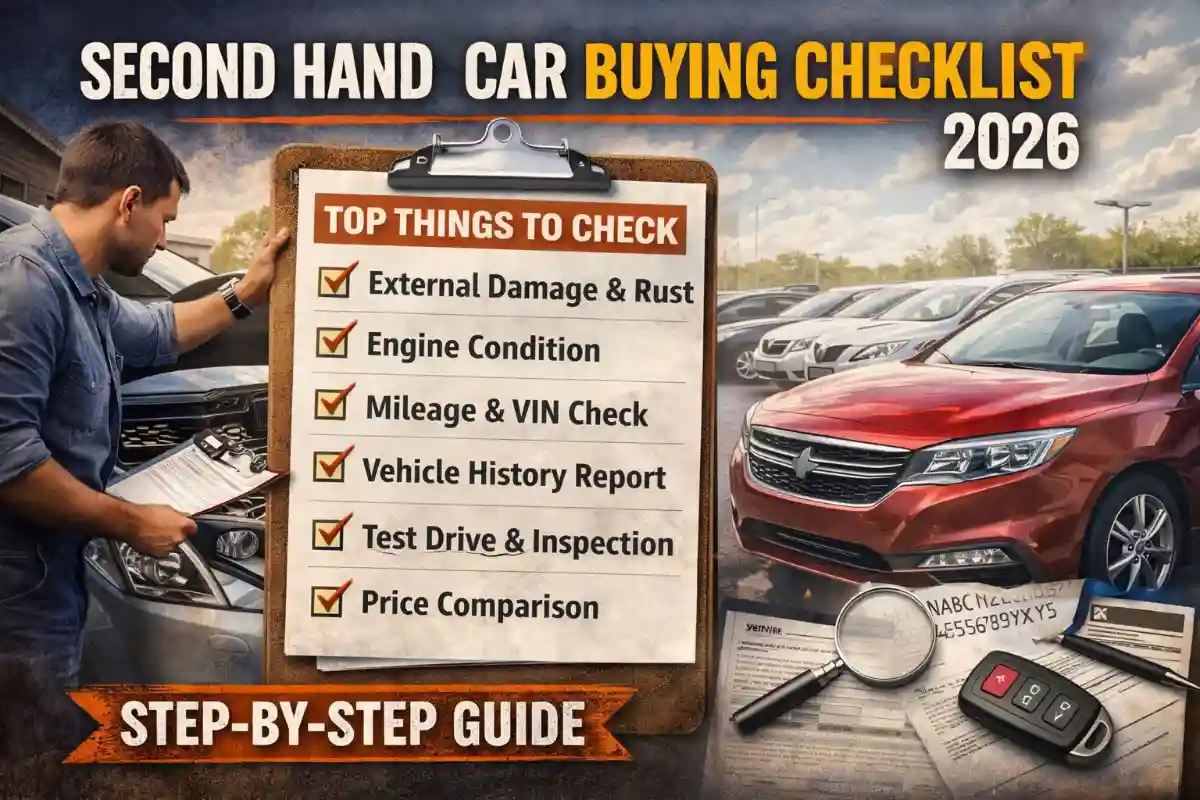
External Damage & Rust: What Your Eyes Should Catch First
The exterior condition reveals crucial information about how the vehicle was maintained and whether it has been involved in accidents. Begin your inspection in good daylight, examining the car from all angles. Look for paint inconsistencies, which often indicate previous accident repairs. Run your fingers along body panels feeling for ripples or uneven surfaces beneath the paint.
Check all panel gaps—the spaces between doors, hood, trunk, and fenders should be uniform. Misaligned panels suggest improper accident repair or structural damage. Open and close all doors, the hood, and trunk multiple times. They should operate smoothly without unusual resistance or squeaking sounds.

Rust is a serious concern, particularly in coastal areas or regions with high humidity. Inspect the wheel wells, undercarriage, door sills, and areas around the windows carefully. Surface rust can be managed, but structural rust affecting the chassis or frame is a deal-breaker. Don’t hesitate to crawl underneath the vehicle or use a flashlight to check hidden areas.
Examine the windshield and windows for cracks, chips, or excessive wear. While minor chips are repairable, a cracked windshield represents an immediate expense. Check that all exterior lights function properly, including headlights, taillights, indicators, and fog lamps.
Engine Condition: The Heart of Your Purchase Decision
The engine is undoubtedly the most critical component requiring meticulous inspection. Start by checking the engine bay for cleanliness and signs of regular maintenance. An excessively clean engine might indicate washing to hide leaks, while a very dirty one suggests neglect.
Inspect for oil leaks around the valve covers, oil pan, and cylinder head gasket. Look for coolant leaks near the radiator, hoses, and water pump. Any fluid leaks should raise immediate concerns and warrant professional inspection.
Start the engine when cold and listen carefully. It should fire up smoothly without excessive cranking, unusual noises, or excessive smoke from the exhaust. Blue smoke indicates oil burning, white smoke suggests coolant leaks into the combustion chamber, and black smoke points to fuel system issues.
Let the engine reach operating temperature and check how smoothly it idles. Rough idling, vibrations, or fluctuating RPMs signal potential problems. Rev the engine gently and listen for knocking sounds, which could indicate serious internal damage.
Examine all belts and hoses for cracks, fraying, or excessive wear. Check fluid levels and their condition—oil should be relatively clean, coolant should be bright and not rusty, and brake fluid should be clear or light amber. Dark, contaminated fluids indicate poor maintenance.
According to Edmunds, a professional pre-purchase inspection is invaluable, as trained mechanics can identify issues invisible to untrained eyes using diagnostic tools and compression tests.
Mileage & VIN Check: Verifying the Car’s True Identity
The odometer reading significantly impacts a vehicle’s value, making mileage verification essential. The average car in India covers approximately 12,000-15,000 kilometers annually. A five-year-old car with only 20,000 km might seem attractive, but unusually low mileage could indicate odometer tampering or extended periods of non-use, which creates its own problems.
Conversely, exceptionally high mileage isn’t necessarily bad if comprehensive service records demonstrate diligent maintenance. Highway kilometers are generally easier on vehicles than city driving due to less stop-and-go stress on components.
Cross-reference the odometer reading with service records, old inspection certificates, and the vehicle history report. Look for consistent progression in recorded mileages. Major discrepancies are red flags for tampering.
Verify the Vehicle Identification Number (VIN) matches across all documents and the physical vehicle. The VIN appears on the dashboard visible through the windshield, the driver’s side door jamb, and registration documents. Any mismatch suggests serious documentation fraud or potential theft.
Check the engine number and chassis number against the registration certificate. These critical identifiers must align perfectly with documentation. The VIN also reveals manufacturing details, including the year, assembly plant, and original specifications.
Vehicle History Report: Uncovering the Car’s Past
A comprehensive vehicle history report is non-negotiable in 2026. Services like CarFax, AutoCheck, or India-specific platforms provide detailed information that sellers might not disclose voluntarily. These reports reveal accident history, the number of previous owners, flood or fire damage, odometer rollback instances, and outstanding loans or liens.
The report shows whether the car served as a commercial vehicle, rental, or taxi—uses that typically involve harder driving and more wear. It also indicates if the vehicle was salvaged, rebuilt, or declared a total loss by insurance companies.
Review the title history carefully. A "clean title" means no major incidents, while a "salvage title" indicates significant previous damage. Some states issue "branded titles" for flood damage, which causes persistent electrical and mechanical problems years later.
Pay attention to maintenance records included in the report. Regular oil changes, scheduled services, and documented repairs indicate responsible ownership. Gaps in maintenance history or evidence of deferred service should concern you.
According to Consumer Reports, vehicles with clean history reports command premium prices but offer better long-term reliability and fewer unexpected problems.
Test Drive & Inspection: Experience the Car in Action
A thorough test drive lasting at least 20-30 minutes across various road conditions is essential. Before starting, adjust the driver’s seat, steering wheel, and mirrors to ensure comfort and visibility. Test all controls, switches, and features while stationary, including the air conditioning, heating, audio system, power windows, and locks.
Begin driving in a quiet area, paying close attention to how the car responds. The steering should feel responsive without excessive play or tightness. Accelerate gradually and then firmly, ensuring the engine responds smoothly without hesitation, sputtering, or unusual noises.
Test the brakes thoroughly in a safe location. They should provide smooth, consistent stopping power without pulling to one side, pulsating, or making grinding sounds. A soft brake pedal or one that sinks to the floor indicates serious problems requiring immediate attention.
Drive at highway speeds if possible, checking that the car maintains straight-line stability without wandering or requiring constant steering corrections. Listen for wind noise, rattles, or unusual sounds that become apparent at higher speeds.
Navigate through corners to assess handling and suspension performance. The car should feel planted and composed, without excessive body roll or unsettling noises. Drive over speed bumps or rough patches to evaluate suspension condition. Worn shocks or struts will cause excessive bouncing or harsh impacts.
For manual transmissions, test every gear. Shifts should be smooth without grinding, popping out of gear, or excessive clutch slippage. Automatic transmissions should shift seamlessly without delays, harsh jolts, or revving between gears. Any transmission hesitation or strange behavior is cause for concern.
Turn the steering wheel fully in both directions while stationary and moving slowly, listening for clicking, popping, or grinding sounds indicating CV joint or steering component wear.
Interior Quality Check: Comfort and Functionality Matter
The interior condition reflects overall care and can indicate hidden problems. Inspect all upholstery, carpeting, and trim pieces for excessive wear, stains, or damage. While cosmetic issues are fixable, they might indicate harder use than the odometer suggests.
Test every seat adjustment mechanism, ensuring smooth operation. Sit in all seating positions checking comfort and support. Look under seats and in storage compartments for signs of water damage, mold, or unusual odors suggesting flood damage or major leaks.
Check the headliner for sagging or staining, often indicating water intrusion through the sunroof or windows. Inspect all door seals and window weatherstripping for cracks, tears, or deterioration that allows water and noise entry.
Test every electronic feature methodically. Power windows should operate smoothly in all doors. Check the air conditioning for cold air and the heater for warm air. Test the audio system, navigation if equipped, and any connectivity features.
Inspect all safety features, including seatbelts in every position. They should retract smoothly and latch securely without fraying or locking up. Check that all airbag indicator lights function during startup and extinguish properly.
Examine the instrument cluster for warning lights that remain illuminated or don’t appear during the initial startup check. Common warning lights include check engine, ABS, airbag, and battery indicators. Any persistent warning requires investigation before purchase.
Look for signs of previous modification or repairs under the dashboard, which could indicate electrical problems or amateur work. Check that the spare tire, jack, and tools are present and in good condition.
Professional Mechanical Inspection: Worth Every Rupee
Even if everything appears perfect, a professional pre-purchase inspection by an independent mechanic is indispensable. This typically costs ₹2,000-5,000 but can save lakhs by uncovering hidden problems. Choose a mechanic familiar with your target vehicle’s make and model, preferably one specializing in that brand.
The mechanic will perform comprehensive checks impossible during a basic visual inspection. They’ll conduct diagnostic scans to retrieve stored error codes from the engine control unit, revealing intermittent problems or issues the seller reset before showing the car.
A compression test measures cylinder health, indicating whether the engine has internal wear, valve problems, or other serious issues requiring costly repairs. The mechanic will also inspect the suspension and steering systems thoroughly, checking for worn bushings, ball joints, tie rod ends, and shock absorbers.
Brake system inspection includes measuring pad and rotor thickness, checking brake lines and hoses for deterioration, and evaluating the master cylinder and brake fluid condition. The mechanic will examine the exhaust system for leaks, rust, or damage requiring replacement.
They’ll inspect the transmission fluid condition and look for leaks or slippage indicators. For manual transmissions, they’ll assess clutch condition and remaining life. The cooling system receives scrutiny for leaks, proper operation, and coolant condition.
A thorough undercarriage inspection reveals rust, previous accident damage, and evidence of poor repairs. The mechanic checks all mounting points, the exhaust system, fuel lines, and the structural integrity of the chassis.
Request a detailed written report documenting all findings with severity ratings. Use this information during price negotiations or as justification for walking away from a problematic vehicle.
Price Comparison: Ensuring You Get Fair Value
Armed with your inspection results and vehicle history report, research comparable vehicles to establish fair market value. Check multiple online platforms, dealer listings, and classified ads for similar make, model, year, and condition vehicles.
Consider the vehicle’s specific features, mileage, condition, and any issues discovered during inspection when comparing prices. A well-maintained car with complete service records justifies a premium over one lacking documentation or showing deferred maintenance.
Use online valuation tools from reputable sources as pricing guidelines. These tools consider market conditions, regional variations, and specific vehicle characteristics to suggest fair prices. Remember that private party sales typically offer better prices than dealerships, though dealers often provide warranties and return policies.
Factor in required repairs or maintenance when negotiating. If your inspection revealed worn brake pads, pending major service, or other issues, calculate these costs and adjust your offer accordingly. Be prepared to present your inspection report as evidence supporting a lower price.
Don’t let emotions drive your decision. If the seller refuses reasonable negotiations or becomes defensive about legitimate concerns, be willing to walk away. The used car market offers abundant choices, and patience typically leads to better deals.
According to Kelley Blue Book, buyers who conduct thorough research and leverage inspection findings during negotiations save an average of 10-15% compared to those who don’t.
Documentation Verification: Protecting Your Investment
Proper documentation protects you from legal issues and ensures legitimate ownership transfer. Verify that the seller is the registered owner with legal authority to sell the vehicle. The name on the registration certificate should match the seller’s government-issued ID.
Review the original registration certificate (RC) carefully, ensuring all details match the vehicle and VIN. Check the registration validity and renewal status. Expired registration requires updating before or immediately after purchase, representing additional cost and hassle.
Examine the insurance policy details, noting the coverage type, validity period, and whether it’s transferable. Third-party insurance is mandatory in India, but comprehensive coverage is recommended. Check if No Claim Bonus (NCB) is transferable to you.
Review all service records, maintenance receipts, and repair bills. A complete service history demonstrates responsible ownership and helps establish the vehicle’s true condition. Major service or component replacement receipts are particularly valuable.
Request the Pollution Under Control (PUC) certificate, verifying it’s current and valid. An expired PUC requires immediate renewal, potentially revealing emission problems if the vehicle fails testing.
For vehicles under loan or hypothecation, obtain a No Objection Certificate (NOC) from the lending institution confirming loan clearance. Never complete a purchase without this NOC, as outstanding loans create ownership complications.
Ensure you receive the duplicate key, owner’s manual, warranty booklet if applicable, and any other accessories that came with the vehicle originally.
Understanding Certified Pre-Owned Programs
Many manufacturers and dealers now offer certified pre-owned (CPO) programs providing additional peace of mind. These programs involve rigorous multi-point inspections, reconditioning of identified issues, and extended warranties covering major components.
CPO vehicles typically cost more than comparable non-certified used cars but offer significant advantages. The manufacturer-backed warranty covers expensive repairs during the warranty period, reducing ownership risk. Many CPO programs include roadside assistance, complimentary maintenance, and even exchange policies.
The certification process varies by manufacturer but generally includes comprehensive mechanical and cosmetic inspection covering 100+ points. Any deficiencies must be repaired to manufacturer standards before certification. This thoroughness provides confidence in the vehicle’s condition.
Consider whether the CPO premium justifies the benefits based on your risk tolerance, mechanical knowledge, and planned ownership duration. For buyers seeking maximum reliability and minimal hassle, CPO programs often represent excellent value despite higher upfront costs.
Special Considerations for Electric Vehicles
The used electric vehicle market is growing in 2026, with models like the Tata Nexon EV and other electric cars entering India becoming increasingly available. EVs require unique inspection considerations beyond traditional internal combustion engine vehicles.
Battery health is paramount and significantly impacts value and usability. Request a battery health report from the manufacturer or authorized service center. Most EV batteries degrade over time and usage, with capacity typically declining to 80-90% after several years. Understand the battery warranty terms and remaining coverage.
Check the available charging infrastructure compatible with the vehicle. Home charging capability and public charging network access affect daily usability significantly. Verify that all charging cables and adapters are included.
Inspect the battery pack for any physical damage, leaks, or warning lights. Software updates and recalls are more common for EVs, so verify the vehicle has all current updates installed. Test the regenerative braking system and ensure all electric motor functions operate properly.
Calculate the remaining battery range based on current health and your typical driving patterns. Range degradation is normal but excessive decline might indicate battery problems or unusually hard use.
Red Flags That Should Make You Walk Away
Certain warning signs indicate serious problems or potential fraud, warranting immediate departure from the deal. If the seller refuses to allow independent inspection or shows defensive behavior about reasonable requests, consider it a major red flag.
Prices significantly below market value almost always indicate hidden problems, accident history, or ownership issues. While good deals exist, extremely low prices suggest something is seriously wrong.
Missing or incomplete service records, especially for newer vehicles, raise questions about maintenance and care. Complete documentation gaps are particularly concerning for vehicles requiring regular servicing.
Evidence of major accident damage, including frame or structural repairs, should cause serious concern. Even properly repaired accident damage can affect long-term reliability and resale value.
Signs of flood damage include rust in unusual places, water stains on upholstery or carpeting, musty odors, and moisture or fog inside light assemblies. Flood-damaged vehicles develop persistent electrical and mechanical problems that surface months or years later.
Mismatched VINs, altered documentation, or sellers unable to produce clear titles indicate potential theft, fraud, or serious legal complications. Never proceed with such purchases regardless of price.
Excessive modifications, especially to critical systems like brakes, suspension, or engine management, often cause reliability and warranty issues. Poorly executed modifications can compromise safety and performance.
Insurance and Registration Transfer Process
After finalizing the purchase, completing insurance and registration transfer promptly is essential. Inform your insurance company about the purchase within 14 days to maintain coverage continuity. You can either transfer the existing policy to your name or purchase new coverage.
For policy transfer, submit the original insurance documents, transfer forms, and both parties’ identification to the insurance company. Update the policy with your details and pay any applicable fees. Compare the transferred policy with new coverage options, as sometimes fresh policies offer better terms.
The registration transfer process involves submitting Form 29 (Notice of Transfer of Ownership) and Form 30 (Application for Registration) at the Regional Transport Office (RTO). Required documents include the original RC, insurance certificate, PUC certificate, sale deed/bill of sale, address proof, and identity proof.
Pay applicable transfer fees and taxes based on the vehicle’s age and value. The RTO will verify documents and inspect the vehicle before approving the transfer. Once approved, you’ll receive a new RC in your name, typically within 30 days.
Some states allow online registration transfer, simplifying the process and reducing RTO visits. Check your state’s transport department website for digital services availability.
Post-Purchase Maintenance Planning
After purchasing your used car, developing a comprehensive maintenance plan ensures long-term reliability. If you purchased from a dealer, understand any included warranty coverage and service benefits. Schedule an initial complete service even if the previous owner recently serviced the vehicle.
Replace all fluids including engine oil, transmission fluid, brake fluid, and coolant using manufacturer-recommended specifications. Fresh fluids provide a clean starting point and reveal if future contamination indicates problems.
Inspect and replace wear items like air filters, cabin filters, wiper blades, and brake pads if needed. These relatively inexpensive components significantly impact performance and comfort.
Create a maintenance schedule based on manufacturer recommendations and your driving patterns. Track all service, repairs, and expenses using a logbook or digital app. This documentation proves valuable for warranty claims and enhances resale value when you eventually sell.
Establish relationships with reliable service centers or mechanics familiar with your vehicle make. Regular maintenance at reputable facilities prevents small issues from becoming expensive problems while maintaining comprehensive service records.
Conclusion: Making Your Smart Purchase Decision
Buying a second-hand car in 2026 requires thorough preparation, careful inspection, and patient negotiation. This comprehensive checklist ensures you evaluate every critical aspect before committing to purchase. Remember that the best deal isn’t always the lowest price—it’s the vehicle offering the best combination of condition, reliability, and value for your specific needs.
Invest time in research, never skip professional inspection, verify all documentation, and trust your instincts. If something feels wrong about a deal or seller, walk away and continue searching. The perfect used car that meets your requirements and budget exists, and patience usually leads to better outcomes than rushing into questionable purchases.
With the Indian automotive market offering increasing variety in both conventional and electric vehicles, 2026 is an excellent time to enter the used car market armed with knowledge and confidence. Follow this checklist methodically, and you’ll drive away in a reliable vehicle that serves you well for years to come.
Ready to start your search? Use this checklist as your roadmap to a successful second-hand car purchase. Remember to bookmark this guide and refer back to it at each stage of your buying journey. Happy car hunting!