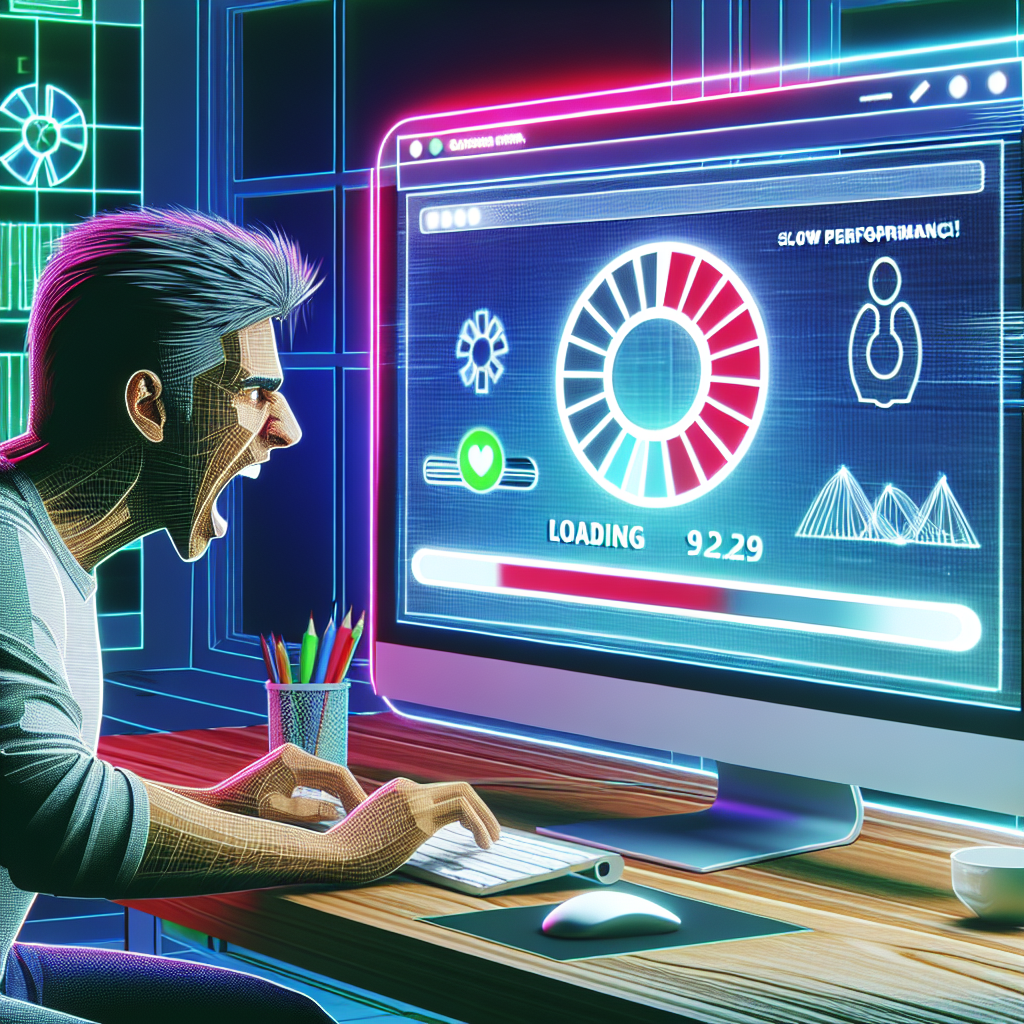
Is your Windows 11 PC dragging its feet lately? You click something and wait. Apps take forever to open. The whole experience feels like your computer is running through mud. You are not alone — millions of Windows 11 users are reporting the same issue in 2026, and the good news is that most causes are completely fixable without buying new hardware.
Let’s break down exactly why your PC feels slow and what you can do about it right now.
![How to Disable Windows 11 Startup Programs [3 Easy Methods]](https://pgupdate.in/wp-content/uploads/2026/04/How-to-Disable-Windows-11-Startup-Programs_discover-150x150.webp)
## 1. Too Many Startup Apps Are Killing Your Boot Time
One of the biggest culprits behind a slow Windows 11 PC is startup bloat. Every time you install a new app — a game launcher, a cloud sync tool, a video player — it quietly adds itself to your startup list. Over time, dozens of apps are fighting to load the moment you turn on your PC.
![How to Free Up Disk Space on Windows 11 [10 Best Methods]](https://pgupdate.in/wp-content/uploads/2026/04/How-to-Free-Up-Disk-Space-on-Windows-11-1-150x150.png)
To fix this, press **Ctrl + Shift + Esc** to open Task Manager, then click the **Startup apps** tab. Sort by “Startup impact” and disable anything marked High that you don’t need immediately at boot. You can always launch those apps manually when needed. Most users see a dramatic improvement in boot speed after doing this one step.
## 2. Windows 11 Background Services Are Overloading Your RAM
Windows 11 runs a lot of background services by default — telemetry, indexing, update checks, and more. If your PC has 8GB of RAM or less, these background processes can eat up a significant chunk of your available memory before you even open a single app.
Open **Settings > Privacy & Security > Diagnostics & Feedback** and turn off optional diagnostic data. Then go to **Settings > Windows Update > Advanced Options** and disable background updates during active hours. These small tweaks free up RAM and CPU cycles for the things you actually care about.
## 3. Your Storage Drive Is Almost Full
Windows 11 needs free space on your system drive to function properly. It uses that space for temporary files, virtual memory (the page file), and system operations. When your C: drive drops below 10–15% free space, performance takes a serious hit.
Press **Win + E**, right-click your C: drive, and check how much space is free. If it’s looking tight, run **Storage Sense** from Settings > System > Storage and let Windows automatically clean up temporary files, old downloads, and the Windows Update cache. You can also read our full guide on how to free up storage space on Windows 11 in 2026 for a deeper walkthrough.
## 4. Outdated or Corrupt Drivers Are Causing Slowdowns
Drivers are the software bridges between Windows and your hardware — your graphics card, network adapter, audio chip, and more. Outdated or corrupt drivers can cause everything from stuttering and freezes to apps crashing randomly.
Open **Device Manager** (search it from the Start menu), look for any devices with a yellow warning icon, and update those drivers first. For your GPU specifically, always download the latest driver directly from NVIDIA, AMD, or Intel’s website rather than relying on Windows Update. A fresh GPU driver alone can revive performance in both productivity apps and games.
## 5. Windows Update Is Running in the Background
It sounds obvious, but many users don’t realize that Windows Update can silently run downloads and installations in the background, consuming bandwidth and CPU at the worst possible times. If your PC suddenly slows down at random intervals, this could be the cause.
Check by going to **Settings > Windows Update** and seeing if an update is currently downloading or installing. If you’re stuck, check our guide on fixing Windows 11 updates that are stuck or failing. You can pause updates for up to 5 weeks if you’re in the middle of something important.
## 6. Malware and Bloatware Are Hiding on Your PC
Slow performance is one of the most common signs of a malware infection. Background processes from adware, miners, or spyware can silently consume your CPU and internet bandwidth 24/7.
Run a full scan with **Windows Security** (built right into Windows 11 — no extra software needed). Go to **Windows Security > Virus & Threat Protection > Scan Options** and run a Full Scan. It takes longer than a quick scan but checks every file on your drive. Also look through your installed apps list in Settings and uninstall anything you don’t recognize or no longer use.
## 7. Visual Effects Are Draining Your CPU and GPU
Windows 11 has beautiful animations and transparency effects, but on older or budget hardware, these visuals cost real performance. Search for **”Adjust the appearance and performance of Windows”** in the Start menu, select **”Adjust for best performance”**, then manually re-enable only “Show thumbnails instead of icons” so your file browser still works well. This single change can make everything feel noticeably snappier.
## The Bottom Line
A slow Windows 11 PC in 2026 is almost always a software problem, not a hardware one. Startup bloat, background services, full storage, outdated drivers, and hidden malware are the usual suspects. Work through each fix above and you’ll likely recover significant speed without spending a single dollar on upgrades. Your PC has more life in it than you think — it just needs a little maintenance.
If your PC is also randomly locking up, read our guide on why Windows 11 keeps freezing and how to fix it.