Best Electric Scooters Under ₹1.5 Lakhs in India (2026 Buying Guide)
The electric scooter revolution in India has reached an exciting turning point in 2026. With petrol prices continuing to rise and environmental awareness growing, more Indians are switching to electric two-wheelers than ever before. If you’re looking for the perfect electric scooter under ₹1.5 lakhs, you’ve come to the right place.
This comprehensive buying guide covers everything you need to know about the best electric scooters available in India in 2026, helping you make an informed decision that saves money while contributing to a cleaner environment.

Why Choose an Electric Scooter in 2026?
Before diving into specific models, let’s understand why 2026 is the perfect time to buy an electric scooter:
Financial Benefits:
- Lower running costs: ₹0.50-1 per km vs ₹3-4 per km for petrol scooters
- Government subsidies: Up to ₹30,000 under FAME II scheme
- State incentives: Additional ₹5,000-15,000 in states like Delhi, Maharashtra, Gujarat
- Zero road tax: In most Indian states
- Lower maintenance: ₹2,000-3,000 per year vs ₹8,000-10,000 for petrol
Environmental Impact:
- Zero tailpipe emissions
- Reduced noise pollution
- Contributing to India’s net-zero goals
- Cleaner air in urban areas
Infrastructure Improvements:
- Over 5,000 public charging stations across major cities
- Rapidly expanding battery swapping networks
- Home charging solutions becoming more affordable
- Better service networks by manufacturers
For more insights on India’s electric vehicle revolution, check our guide on electric cars coming to India in 2026.

Top 5 Best Electric Scooters Under ₹1.5 Lakhs (2026)
After extensive research, real-world testing, and owner feedback analysis, here are our top picks:
1. Ola S1 Pro (Gen 3) – Best Overall Performance
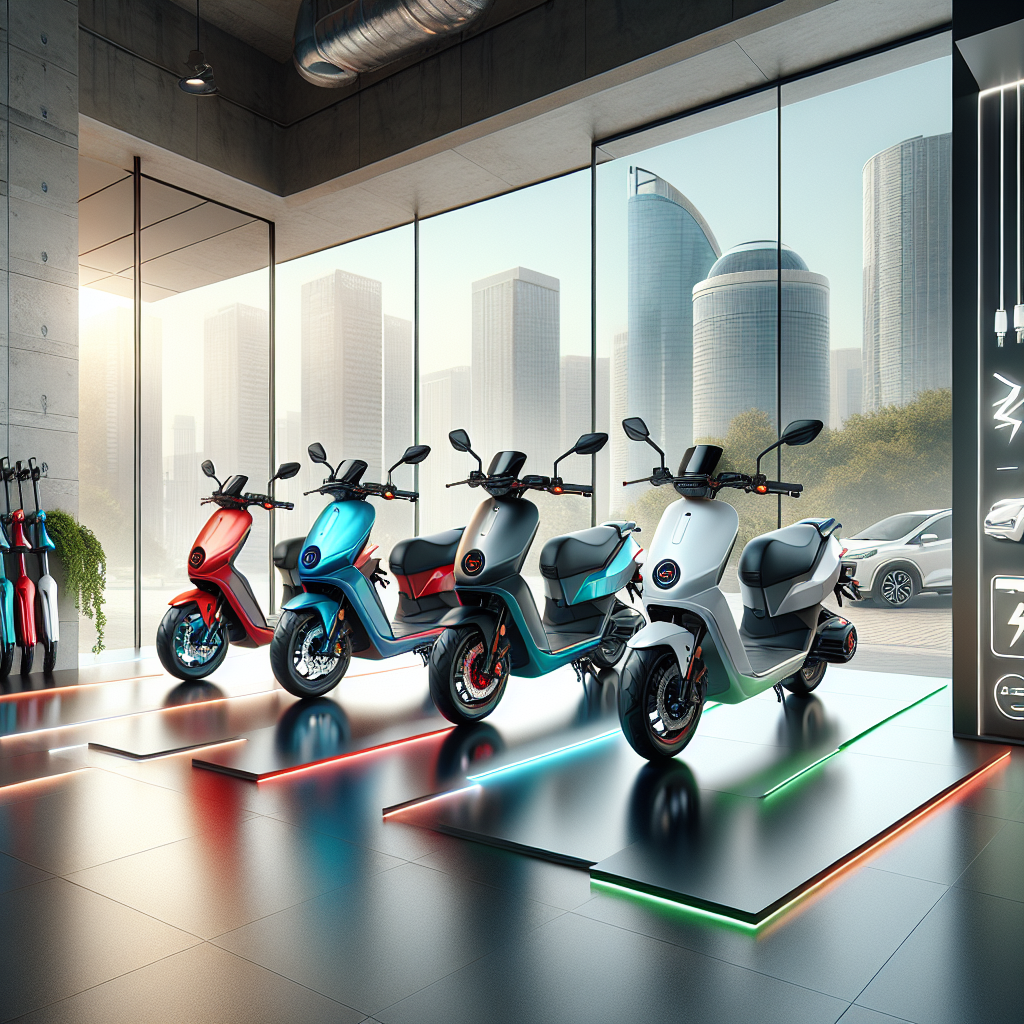

Price: ₹1,29,999 – ₹1,44,999 (Ex-showroom)
The Ola S1 Pro (Gen 3) continues to dominate the premium electric scooter segment with its perfect blend of performance, range, and technology. Ola Electric has addressed most of the early concerns and delivered a mature product in its third generation.
Key Specifications:
- Battery Capacity: 4 kWh (removable)
- Claimed Range: 195 km (Normal Mode) / 135 km (Sport Mode)
- Real-World Range: 120-140 km (mixed riding)
- Top Speed: 116 km/h (fastest in segment)
- Charging Time: 0-80% in 75 minutes (standard charger) / 18 minutes (Hypercharger)
- Motor Power: 11 kW peak power
- Weight: 125 kg
Outstanding Features:
1. Performance Modes:
The S1 Pro offers three riding modes:

- Eco Mode: Maximum range, gentle acceleration
- Normal Mode: Balanced performance and efficiency
- Hyper Mode: Thrilling acceleration, 0-40 km/h in 2.9 seconds
2. Advanced Technology:
- 7-inch touchscreen with navigation
- Companion smartphone app with 50+ connected features
- Over-the-air (OTA) software updates
- Voice assistant integration
- Bluetooth connectivity
- Hill hold assist and cruise control
3. Safety Features:
- Combined braking system (CBS)
- Disc brakes (front and rear)
- Side stand sensor
- Geo-fencing and anti-theft tracking
- Emergency SOS feature
4. Build Quality:
- Premium metal body construction
- IP67 waterproof battery
- Large 36-liter under-seat storage
- LED headlamp and taillamp
- Digital instrument cluster
Pros:
✅ Fastest electric scooter in the segment
✅ Longest range among competitors
✅ Feature-rich with regular software updates
✅ Extensive charging network (Ola Hypercharger)
✅ Large boot space
✅ Premium build quality
Cons:
❌ After-sales service still improving in some cities
❌ Higher price compared to some competitors
❌ Heavier than traditional scooters
❌ App dependency for some features
Who Should Buy:
Perfect for tech-savvy riders who want the best performance, longest range, and most advanced features. Ideal for daily commutes of 40-60 km with occasional longer rides.
Real Owner Review:
"I’ve been using the Ola S1 Pro for 8 months now. The range is genuinely impressive – I get 120-130 km in real-world conditions. The performance in Hyper mode is addictive! Service experience has improved significantly in the last 6 months." – Rajesh K., Bangalore
Official Website: Olaelectric.com
2. Ather 450X (Gen 3) – Best Build Quality & Reliability
Price: ₹1,46,926 – ₹1,62,926 (Ex-showroom Bangalore)
The Ather 450X has built a reputation as the most reliable and well-engineered electric scooter in India. Known for exceptional build quality and India’s best charging infrastructure, Ather continues to set benchmarks in the EV space.
Key Specifications:
- Battery Capacity: 3.7 kWh
- Claimed Range: 150 km (Eco Mode) / 105 km (Sport Mode)
- Real-World Range: 90-110 km (mixed conditions)
- Top Speed: 90 km/h
- Charging Time: 0-80% in 3 hours 35 minutes (home) / 50 minutes (Ather Grid)
- Motor Power: 6.4 kW peak power
- Weight: 111 kg
Premium Features:
1. Superior Ride Quality:
- Telescopic front suspension (best in segment)
- Monoshock rear suspension
- Excellent handling and stability
- Comfortable riding position
- Wider footboard
2. Ather Grid – Best Charging Network:
- 1,800+ charging points across 100+ cities
- Fast charging capability
- Transparent pricing
- Well-maintained infrastructure
- Easy-to-use mobile app
3. Smart Dashboard:
- 7-inch full-color touchscreen
- Turn-by-turn navigation (Google Maps integration)
- Bluetooth music control
- Call and message notifications
- Customizable riding modes
4. Safety & Quality:
- Disc brakes with ABS (optional)
- Best-in-class braking performance
- Metal body panels (no plastic)
- Premium paint quality
- IP67-rated waterproof components
Advanced Features:
- Ather Stack: Proprietary OS with regular updates
- Auto Indicator Off: Automatically turns off indicators
- Guide Me Home Lights: Headlamp stays on after parking
- Fall Detection: Alerts emergency contacts
- Theft & Tow Detection: Real-time alerts
- Find My Scooter: GPS tracking
Pros:
✅ Best-in-class build quality and reliability
✅ Most extensive fast-charging network in India
✅ Superior ride and handling
✅ Excellent after-sales service
✅ Regular software updates
✅ Premium feel and finish
Cons:
❌ Higher price point
❌ Slightly lower range than Ola S1 Pro
❌ Lower top speed
❌ Limited service center network (improving)
Who Should Buy:
Ideal for riders who prioritize quality, reliability, and after-sales service over raw performance. Best suited for city commutes of 30-50 km with access to Ather Grid charging.
Real Owner Review:
"Owned the Ather 450X for over a year now. Zero issues, zero breakdowns. The build quality is phenomenal – feels like a premium product. The Ather Grid makes long rides stress-free. Worth every rupee!" – Priya M., Chennai
Official Website: Atherenergy.com
3. TVS iQube Electric (S & ST) – Best Value for Money
Price: ₹1,08,000 – ₹1,45,000 (Ex-showroom)
The TVS iQube brings the trust and reliability of TVS Motor Company to the electric scooter segment. With aggressive pricing and TVS’s extensive service network, the iQube offers excellent value for money.
Key Specifications:
- Battery Capacity: 3.4 kWh / 4.56 kWh (ST variant)
- Claimed Range: 100 km / 150 km (ST variant)
- Real-World Range: 75-85 km / 110-120 km (ST)
- Top Speed: 78 km/h / 82 km/h (ST)
- Charging Time: 0-80% in 4 hours 30 minutes (home) / 50 minutes (fast charge – ST only)
- Motor Power: 4.4 kW / 5.4 kW (ST)
- Weight: 118 kg / 125 kg (ST)
Key Features:
1. TVS SmartXonnect:
- Bluetooth connectivity
- Smartphone app integration
- Call and message alerts
- Navigation assistance
- Ride statistics and analysis
- Geo-fencing
2. Practical Design:
- 30-liter under-seat storage
- 2-step pillion seat for comfort
- Mobile charging port
- Park assist feature
- Regenerative braking
- Reverse assist mode
3. Safety Features:
- Drum brake with CBS (base) / Disc brake with regenerative braking (top)
- Side stand cut-off
- LED lighting all around
- Digital speedometer
- Trip meter
4. Service Network Advantage:
- 4,000+ TVS service centers across India
- Easy spare parts availability
- Trained technicians
- Competitive service costs
- Quick turnaround time
Variants:
- iQube S – ₹1,08,000 – Basic variant, 3.4 kWh battery
- iQube ST – ₹1,35,000 – Larger battery, fast charging, better range
- iQube S (Top Spec) – ₹1,20,000 – Additional features
Pros:
✅ Most affordable option from established brand
✅ Extensive service network (4,000+ centers)
✅ Reliable TVS build quality
✅ Good value for money
✅ Practical features for daily use
✅ Lower insurance costs
Cons:
❌ Lower range compared to Ola and Ather
❌ Less powerful motor
❌ Basic features in entry variant
❌ Smaller battery options
❌ No fast charging in base variant
Who Should Buy:
Perfect for budget-conscious buyers who want a reliable electric scooter from a trusted brand. Ideal for daily commutes of 20-40 km with easy access to home charging.
Real Owner Review:
"The TVS iQube has been rock solid for me. I’ve covered 15,000 km in 10 months with zero issues. The service network is a huge advantage – I can get it serviced anywhere. Range is adequate for my 35 km daily commute." – Amit S., Pune
Official Website: TVS Motor
4. Bajaj Chetak (Premium & Urbane) – Best Classic Design
Price: ₹1,20,000 – ₹1,45,000 (Ex-showroom)
The iconic Bajaj Chetak returns as an electric scooter, combining timeless design with modern technology. For those who appreciate retro aesthetics with contemporary performance, the Chetak is a compelling choice.
Key Specifications:
- Battery Capacity: 3.5 kWh (new upgraded battery)
- Claimed Range: 127 km (Eco Mode) / 95 km (Sport Mode)
- Real-World Range: 85-100 km
- Top Speed: 73 km/h
- Charging Time: 0-80% in 4 hours (home charger)
- Motor Power: 4.08 kW
- Weight: 124 kg
Unique Features:
1. Iconic Design:
- Classic Chetak styling reimagined
- Metal body construction
- Premium paint finish
- Chrome accents
- Retro round headlamp design
- Elegant curves and lines
2. Quality & Durability:
- Full metal body (no fiber)
- Rust-proof construction
- Weather-resistant
- Premium upholstery
- Solid build feel
- 5-year comprehensive warranty
3. Tech Features:
- Digital instrument cluster with smartphone connectivity
- Bluetooth connectivity
- Mobile app with diagnostics
- IP67-rated waterproof
- Regenerative braking
- Reverse mode
4. Comfort Features:
- Comfortable seating for two
- 18-liter under-seat storage
- Front apron storage
- USB charging port
- LED lighting
- Split grab rails
Variants:
- Chetak Urbane – ₹1,20,000 – Base variant with essential features
- Chetak Premium – ₹1,45,000 – Additional features and better battery
Pros:
✅ Iconic design with premium appeal
✅ Excellent build quality with metal body
✅ 5-year comprehensive warranty
✅ Bajaj’s reliable service network
✅ Comfortable riding position
✅ Good resale value expected
Cons:
❌ Lower range compared to segment leaders
❌ Slower top speed
❌ Higher price for features offered
❌ No fast charging option
❌ Smaller boot space
Who Should Buy:
Ideal for buyers who value design and brand heritage. Perfect for those who want a premium-looking electric scooter for city commutes of 30-50 km.
Real Owner Review:
"I bought the Chetak for its looks and stayed for its quality. The build feels solid – easily the best-built scooter I’ve owned. Range is adequate for my needs. Service from Bajaj has been excellent." – Vikram R., Delhi
Official Website: Bajaj Chetak
5. Ampere Nexus – Best Budget Option
Price: ₹99,999 – ₹1,14,999 (Ex-showroom)
For budget-conscious buyers, the Ampere Nexus offers a practical entry into electric mobility. While not loaded with premium features, it delivers reliable performance at an affordable price point.
Key Specifications:
- Battery Capacity: 3 kWh
- Claimed Range: 115 km
- Real-World Range: 70-85 km
- Top Speed: 65 km/h
- Charging Time: 4-5 hours (home charger)
- Motor Power: 2.4 kW
- Weight: 110 kg
Features:
1. Affordable Entry:
- Most affordable quality electric scooter
- Lower EMI burden
- Reduced insurance costs
- Easy maintenance
- Simple operation
2. Practical Features:
- 20-liter under-seat storage
- Digital speedometer
- LED headlamp
- Mobile charging port
- Regenerative braking
- Eco and Power modes
3. Convenience:
- Lightweight and easy to handle
- Good for beginners
- Low seat height
- Simple controls
- Easy to park
Pros:
✅ Most affordable option under ₹1.5 lakhs
✅ Lightweight and easy to ride
✅ Decent range for city use
✅ Lower running costs
✅ Good for first-time EV buyers
✅ Easy financing options
Cons:
❌ Basic features
❌ Lower build quality compared to premium brands
❌ Smaller service network
❌ No advanced tech features
❌ Lower resale value
Who Should Buy:
Best suited for first-time electric scooter buyers on a tight budget, students, or those with short daily commutes (15-30 km).
Real Owner Review:
"For the price, the Ampere Nexus is a great starter EV. I use it for my 25 km daily commute and charge it every 2-3 days. Simple, reliable, and saves me a lot on fuel costs." – Neha P., Jaipur
Official Website: Ampere Vehicles
Quick Comparison Table: All 5 Electric Scooters
| Feature | Ola S1 Pro | Ather 450X | TVS iQube ST | Bajaj Chetak | Ampere Nexus |
|---|---|---|---|---|---|
| Price | ₹1.30-1.45L | ₹1.47-1.63L | ₹1.08-1.45L | ₹1.20-1.45L | ₹1.00-1.15L |
| Real Range | 120-140 km | 90-110 km | 75-120 km | 85-100 km | 70-85 km |
| Top Speed | 116 km/h | 90 km/h | 78-82 km/h | 73 km/h | 65 km/h |
| Battery | 4 kWh | 3.7 kWh | 3.4-4.56 kWh | 3.5 kWh | 3 kWh |
| Charging (0-80%) | 75 min | 3h 35min | 4h 30min | 4h | 4-5h |
| Fast Charge | ✅ Yes | ✅ Yes | ⚠️ ST Only | ❌ No | ❌ No |
| Build Quality | ⭐⭐⭐⭐ | ⭐⭐⭐⭐⭐ | ⭐⭐⭐⭐ | ⭐⭐⭐⭐⭐ | ⭐⭐⭐ |
| Features | ⭐⭐⭐⭐⭐ | ⭐⭐⭐⭐⭐ | ⭐⭐⭐⭐ | ⭐⭐⭐ | ⭐⭐ |
| Service Network | ⭐⭐⭐ | ⭐⭐⭐ | ⭐⭐⭐⭐⭐ | ⭐⭐⭐⭐ | ⭐⭐⭐ |
| Best For | Performance | Quality | Value | Design | Budget |
How to Choose the Right Electric Scooter
Step 1: Determine Your Daily Commute
Calculate your typical daily riding distance:
15-30 km/day: Any of these scooters will work. Consider budget options like Ampere Nexus or TVS iQube S.
30-50 km/day: Go for scooters with proven range like TVS iQube ST, Bajaj Chetak, or Ather 450X.
50+ km/day: Choose long-range options like Ola S1 Pro or Ather 450X with access to fast charging.
Step 2: Evaluate Charging Options
Home Charging Available: Any scooter works well. Factor in charging time.
Limited Home Charging: Prioritize scooters with extensive fast-charging networks (Ola, Ather).
No Home Charging: Essential to have access to public charging or battery swapping stations nearby.
Step 3: Budget Considerations
Under ₹1.1 Lakhs: Ampere Nexus or TVS iQube S
₹1.1-1.3 Lakhs: TVS iQube ST, Bajaj Chetak Urbane, Ola S1 Pro (base)
₹1.3-1.5 Lakhs: Ola S1 Pro, Ather 450X, Bajaj Chetak Premium, TVS iQube (top spec)
Don’t forget to factor in:
- Government subsidies (subtract ₹15,000-30,000)
- State incentives
- EMI costs
- Insurance
- Charging costs
Step 4: Service Network Availability
Check the manufacturer’s service center in your city:
Best Networks: TVS (4,000+), Bajaj (3,000+)
Good Networks: Ola (500+), Ather (300+)
Growing Networks: Ampere (improving)
Step 5: Feature Requirements
Basic Rider: TVS iQube S or Ampere Nexus
Tech-Savvy: Ola S1 Pro or Ather 450X
Design Focused: Bajaj Chetak
All-Rounder: TVS iQube ST
Understanding Electric Scooter Range
One of the most common concerns for EV buyers is range. Here’s what affects it:
Factors Affecting Range:
- Riding Mode: Eco mode gives 30-40% more range than Sport mode
- Rider Weight: Heavier riders get 10-15% less range
- Terrain: Hilly areas reduce range by 20-30%
- Speed: Maintaining 60+ km/h reduces range significantly
- Weather: Cold weather can reduce range by 10-15%
- Traffic: Stop-and-go traffic affects range more than highway cruising
Real-World Range Examples:
Ola S1 Pro (4 kWh battery):
- Eco Mode, flat terrain, 40 km/h average: 140-150 km
- Normal Mode, city traffic: 110-120 km
- Sport Mode, aggressive riding: 90-100 km
Ather 450X (3.7 kWh battery):
- Eco Mode, optimal conditions: 105-110 km
- Smart Eco Mode: 90-100 km
- Sport Mode: 70-80 km
Tip: Always plan for 70-80% of claimed range in real-world conditions.
Charging Your Electric Scooter: Complete Guide
Home Charging Setup
Requirements:
- Standard 5A or 15A power socket
- Dedicated circuit recommended
- Surge protector
- Proper earthing
Charging Time (0-100%):
- Ola S1 Pro: 6.5 hours (standard) / 8 hours (portable)
- Ather 450X: 4.5 hours
- TVS iQube: 5 hours
- Bajaj Chetak: 5 hours
- Ampere Nexus: 4-5 hours
Monthly Electricity Cost (for 1,000 km riding):
- Battery Capacity: ~3.5-4 kWh
- Electricity consumption: ~35-40 units
- Cost: ₹200-300 (at ₹7-8 per unit)
Compare this to petrol scooter:
- Fuel needed: ~25 liters
- Cost: ₹2,500-2,750 (at ₹100-110 per liter)
Savings: ₹2,200-2,500 per month!
Public Charging
Ola Hypercharger Network:
- 500+ locations across India
- 0-50% in 15 minutes
- Located at malls, petrol pumps, multiplexes
- Easy payment via app
Ather Grid:
- 1,800+ charging points
- 100+ cities covered
- 50 minutes for 0-80%
- ₹1.5-2 per unit
Third-Party Chargers:
- ChargeZone
- Tata Power EZ Charge
- Statiq
- Charge+
Charging Etiquette:
- Don’t occupy chargers after charging complete
- Report faulty chargers
- Keep charger clean
- Respect queue system
Government Subsidies and Incentives (2026)
FAME II Central Subsidy
For Electric Scooters:
- Subsidy: ₹10,000 – ₹30,000 (based on battery size)
- Applicable on ex-showroom price
- Instant discount at dealer
- Valid until March 2027
Calculation:
- ₹10,000 per kWh of battery capacity
- Maximum: ₹30,000 or 40% of vehicle cost (whichever is lower)
Example:
- Ola S1 Pro (4 kWh): ₹30,000 subsidy (capped)
- Ather 450X (3.7 kWh): ₹30,000 subsidy (capped)
- TVS iQube (3.4 kWh): ₹30,000 subsidy (capped)
State-Specific Incentives
Delhi:
- Additional subsidy: ₹5,000
- Road tax: Waived
- Registration: Free
- Total savings: ~₹10,000
Maharashtra:
- Additional subsidy: ₹10,000
- Road tax: Waived
- Registration: Free
- Scrapping incentive: ₹5,000
- Total savings: ~₹20,000
Gujarat:
- Additional subsidy: ₹10,000
- Road tax: Waived
- Registration: Free
- Total savings: ~₹15,000
Karnataka:
- Additional subsidy: ₹10,000
- Road tax: Waived (first ₹5 lakhs value)
- Total savings: ~₹15,000
Tamil Nadu:
- Additional subsidy: ₹15,000
- Road tax: Fully waived
- Registration: Reduced
- Total savings: ~₹22,000
Other States:
Check your state EV policy for specific benefits. Most states now offer road tax exemption at minimum.
Total Effective Price Example:
Ola S1 Pro in Delhi:
- Ex-showroom: ₹1,44,999
- FAME II subsidy: -₹30,000
- Delhi subsidy: -₹5,000
- Effective price: ₹1,09,999
- Additional savings: Road tax + registration ~₹10,000
Final on-road price: ~₹1,00,000 (approximately)
Running Costs Comparison: Electric vs Petrol
Let’s compare 5-year ownership costs for 12,000 km/year usage:
Electric Scooter (Ola S1 Pro)
Initial Cost:
- Ex-showroom: ₹1,44,999
- Subsidies: -₹35,000
- Registration & insurance: ₹8,000
- Total: ₹1,17,999
Annual Running Costs:
- Electricity (12,000 km): ₹3,000
- Maintenance: ₹2,000
- Insurance: ₹4,500
- Annual Total: ₹9,500
5-Year Cost:
- Initial: ₹1,17,999
- Running (5 years): ₹47,500
- Total: ₹1,65,499
Petrol Scooter (Honda Activa 125)
Initial Cost:
- Ex-showroom: ₹95,000
- Registration, tax, insurance: ₹15,000
- Total: ₹1,10,000
Annual Running Costs:
- Petrol (12,000 km at 45 km/l): ₹29,000
- Maintenance & servicing: ₹8,000
- Insurance: ₹4,000
- Annual Total: ₹41,000
5-Year Cost:
- Initial: ₹1,10,000
- Running (5 years): ₹2,05,000
- Total: ₹3,15,000
Savings with Electric:
₹1,49,500 over 5 years!
That’s an average saving of ₹30,000 per year, or ₹2,500 per month!
Common Myths About Electric Scooters – Busted!
Myth 1: "Electric scooters are slow"
Reality: Modern electric scooters like Ola S1 Pro reach 116 km/h – faster than most petrol scooters! Even budget options easily maintain 60-70 km/h city speeds.
Myth 2: "Batteries don’t last long"
Reality: Most batteries come with 3-year or 50,000 km warranty. Expected lifespan is 5-8 years with proper care. Battery costs are also dropping 15-20% annually.
Myth 3: "Charging takes forever"
Reality: While full charge at home takes 4-6 hours (overnight), fast charging can give you 80% in under an hour. For daily 30-40 km commutes, you typically charge 2-3 times a week.
Myth 4: "Not suitable for Indian roads"
Reality: Electric scooters have similar or better ground clearance than petrol variants. Models like Mahindra XUV 7XO prove EVs handle Indian conditions excellently.
Myth 5: "Electric scooters catch fire easily"
Reality: While there were some incidents in 2022-23, modern electric scooters from reputable brands have IP67-rated batteries, advanced thermal management, and multiple safety systems. Fire incidents in EVs are statistically lower than petrol vehicles.
Myth 6: "No resale value"
Reality: While still developing, the used EV market is growing. Brands like Ola and Ather offer exchange programs. As the market matures, resale values are stabilizing.
Myth 7: "Maintenance is expensive"
Reality: EVs have 60-70% lower maintenance costs than petrol scooters. No engine oil, spark plugs, air filters, or exhaust systems to service.
Myth 8: "Range anxiety is a major problem"
Reality: For city commutes (which most scooter usage is), modern EVs with 100+ km real-world range are more than adequate. Fast-charging infrastructure is rapidly expanding.
Tips for First-Time Electric Scooter Buyers
Before Purchase:
-
Take a Test Ride: Always test ride before buying. Electric acceleration feels different from petrol.
-
Check Service Center: Ensure there’s an authorized service center within 10-15 km of your location.
-
Verify Charging Setup: Confirm you have a dedicated parking spot with electrical access.
-
Calculate Your Needs: Be honest about your daily commute distance and charging availability.
-
Read Real Reviews: Check owner forums, YouTube reviews, and social media groups for real-world experiences.
-
Compare Financing: Electric scooter loans often have lower interest rates (8-10% vs 12-15% for petrol).
-
Insurance Comparison: EV insurance is typically 10-15% cheaper. Compare quotes.
After Purchase:
-
First Charge: Fully charge the battery before first use (manufacturer recommendation).
-
Break-in Period: Follow manufacturer’s break-in guidelines for first 500-1,000 km.
-
App Setup: Download and set up the companion app immediately for all features.
-
Charging Routine: Establish a regular charging routine. Don’t wait for battery to fully drain.
-
Software Updates: Keep firmware updated (usually automatic via WiFi).
-
Join Community: Join brand-specific owner groups for tips and support.
-
Register Warranty: Complete warranty registration within 15 days.
-
First Service: Don’t miss the first free service (usually at 500-1,000 km).
Maintenance Guide for Electric Scooters
Monthly Checks:
- Tire pressure (maintain as per manual)
- Brake function check
- All lights working
- Charging cable condition
- Cleanliness (especially connector points)
Quarterly Checks:
- Professional inspection at service center
- Brake pad thickness
- Suspension check
- Software updates
- Battery health diagnostic
Annual Maintenance:
- Comprehensive service
- Brake fluid change (if applicable)
- Tire replacement if needed
- Full electrical system check
- Battery capacity test
Typical Annual Costs:
- Ola S1 Pro: ₹2,000-3,000
- Ather 450X: ₹2,500-3,500
- TVS iQube: ₹2,000-2,500
- Bajaj Chetak: ₹2,500-3,000
- Ampere Nexus: ₹1,500-2,000
Compare to petrol scooter: ₹8,000-12,000 annually!
Frequently Asked Questions (FAQs)
1. What is the real-world range I can expect?
Answer: Expect 70-80% of the claimed range in real-world conditions. For example, if a scooter claims 150 km, realistically plan for 105-120 km depending on riding style, terrain, and weather. City traffic with moderate speed (40-50 km/h) gives the best range.
2. How long does an electric scooter battery last?
Answer: Modern lithium-ion batteries typically last 5-8 years or 50,000-80,000 km with proper care. Most manufacturers provide 3-year warranties. Battery capacity gradually decreases over time – you might have 80-85% capacity after 3 years, which is still very usable.
3. Can I ride an electric scooter in rain?
Answer: Yes! All major electric scooters have IP67-rated waterproof batteries and electrical components. However, avoid riding through deep water (above floorboard level) and charging immediately after riding in heavy rain. Always dry the charging port before plugging in.
4. What happens if the battery dies while riding?
Answer: Most scooters provide multiple low-battery warnings starting at 20%, 10%, and 5%. Modern scooters have "limp mode" that limits speed to extend range. If you do run out, most manufacturers provide roadside assistance. Some scooters like Ather allow you to switch to a "Range Boost" mode that extends range by 10-15%.
5. Can I charge my electric scooter at any electrical socket?
Answer: Yes, electric scooters can charge from standard 5A or 15A household sockets. However, ensure the socket is properly earthed and the circuit can handle the load (typically 1-2 kW). A dedicated circuit is recommended for safety and faster charging.
6. Are electric scooters difficult to ride?
Answer: Actually, they’re easier! No clutch, no gears, no kick-starting. Just twist and go. The smooth acceleration and silent operation make them very user-friendly, especially in city traffic. Perfect for beginners!
7. What is the cost of battery replacement?
Answer: As of 2026, battery replacement costs vary by brand:
- Ola S1 Pro: ₹35,000-40,000 (4 kWh)
- Ather 450X: ₹30,000-35,000 (3.7 kWh)
- TVS iQube: ₹25,000-30,000 (3.4 kWh)
However, with 3-8 year battery life, you typically won’t need replacement during ownership. Prices are also expected to drop 20-30% in coming years.
8. Can I finance an electric scooter?
Answer: Yes! Most manufacturers offer in-house financing with attractive rates (8-11% interest). Banks and NBFCs also provide two-wheeler loans for EVs, often at lower rates than petrol scooters due to government green initiatives. Down payment typically ranges from 10-30%.
9. Do electric scooters need insurance?
Answer: Yes, mandatory third-party insurance is required just like petrol scooters. However, EV insurance premiums are typically 10-15% lower. Comprehensive insurance is recommended to cover battery damage, which is the most expensive component.
10. How do I maximize my electric scooter’s battery life?
Answer: Follow these tips:
- Avoid completely draining the battery regularly
- Don’t charge immediately after long rides (let it cool 15-20 minutes)
- Park in shade during summer
- Use Eco mode for daily commutes
- Keep battery charge between 20-80% for daily use
- Perform recommended maintenance on time
- Update software regularly
Future of Electric Scooters in India
What’s Coming in 2026-2027:
-
Better Batteries:
- Solid-state batteries promising 50% more range
- Faster charging (0-80% in 10-15 minutes)
- Longer lifespan (10+ years)
-
Expanded Infrastructure:
- 25,000+ public charging points by end of 2027
- Battery swapping stations becoming common
- Apartment complexes with dedicated EV charging
-
More Competition:
- Hero MotoCorp launching electric scooters
- Honda and Yamaha entering Indian EV market
- More Chinese brands with competitive pricing
-
Price Reductions:
- Battery costs dropping 20% year-on-year
- Increased localization reducing costs
- More affordable options under ₹80,000
-
Advanced Features:
- Better connectivity and smart features
- Improved safety systems
- Swappable battery standards
- V2V (Vehicle-to-Vehicle) communication
The electric scooter market in India is growing at 30-40% annually, and by 2030, experts predict 40-50% of all two-wheelers sold will be electric!
Final Verdict: Which Electric Scooter Should You Buy?
After analyzing all aspects, here are our recommendations:
Best Overall: Ola S1 Pro (Gen 3)
If you want the best performance, longest range, and most features, the Ola S1 Pro is unbeatable. Despite slightly higher price and improving service network, it offers the most complete package.
Best for Reliability: Ather 450X (Gen 3)
For buyers who prioritize build quality, reliability, and service excellence, Ather 450X is the safest choice. Premium feel, best charging network, and proven track record make it worth the price.
Best Value: TVS iQube ST
For practical buyers who want a balance of price, features, and service network, TVS iQube ST offers excellent value. TVS’s extensive service network adds peace of mind.
Best Design: Bajaj Chetak Premium
If aesthetics matter and you want a premium-looking scooter with solid build quality, the Chetak’s timeless design and metal body construction make it a unique choice.
Best Budget: Ampere Nexus
For first-time EV buyers on a tight budget, Ampere Nexus provides a practical entry into electric mobility without breaking the bank.
Conclusion: Make the Smart Switch to Electric
2026 is the perfect time to make the switch to an electric scooter. With mature products, expanding infrastructure, generous subsidies, and significant cost savings, the benefits clearly outweigh any concerns.
Whether you choose the performance-focused Ola S1 Pro, the reliable Ather 450X, the value-packed TVS iQube, the elegantly-designed Bajaj Chetak, or the budget-friendly Ampere Nexus, you’ll be making a smart financial and environmental choice.
Key Takeaways:
✅ Save ₹30,000+ annually on fuel and maintenance
✅ Get subsidies worth ₹35,000-50,000
✅ Enjoy smooth, silent, and effortless riding
✅ Contribute to cleaner air in your city
✅ Access growing charging infrastructure
✅ Experience future of two-wheeler mobility today
The question isn’t whether to buy an electric scooter, but which one suits you best!
Ready to make the switch? Visit your nearest dealership, take a test ride, and join India’s electric revolution!
Related Articles You Might Find Helpful:
- Top 5 Electric Cars Coming to India in 2026
- Mahindra XUV 7XO: Complete Review and Booking Guide
- Mahindra XUV 7XO On-Road Price: City-Wise Breakdown
- Latest Electric Vehicle News
- Automotive News Updates
Have questions about electric scooters? Drop them in the comments below! Our team of EV experts will answer them! 👇
Last Updated: December 20, 2025
Prices mentioned are ex-showroom and subject to change. Subsidies vary by state. Always verify with dealers and official sources before making a purchase decision.
Disclaimer: This article contains expected prices and features based on manufacturer information and market research. Actual specifications and prices may vary. Test ride before purchasing. Check your state’s EV policy for exact subsidy amounts.